God designed our brains with incredible capacity for change. But that change doesn’t happen randomly—it follows specific, powerful processes. In
Neuroscience Informed Christian Counseling® (NICC), we focus on two core pathways of transformation:
Competitive Neuroplasticity and
Memory Reconsolidation. These mechanisms shape everything from our habits and emotional responses to how we experience healing in our walk with Christ.
Let’s unpack them.
Competitive Neuroplasticity: Rewiring the Brain Through Practice
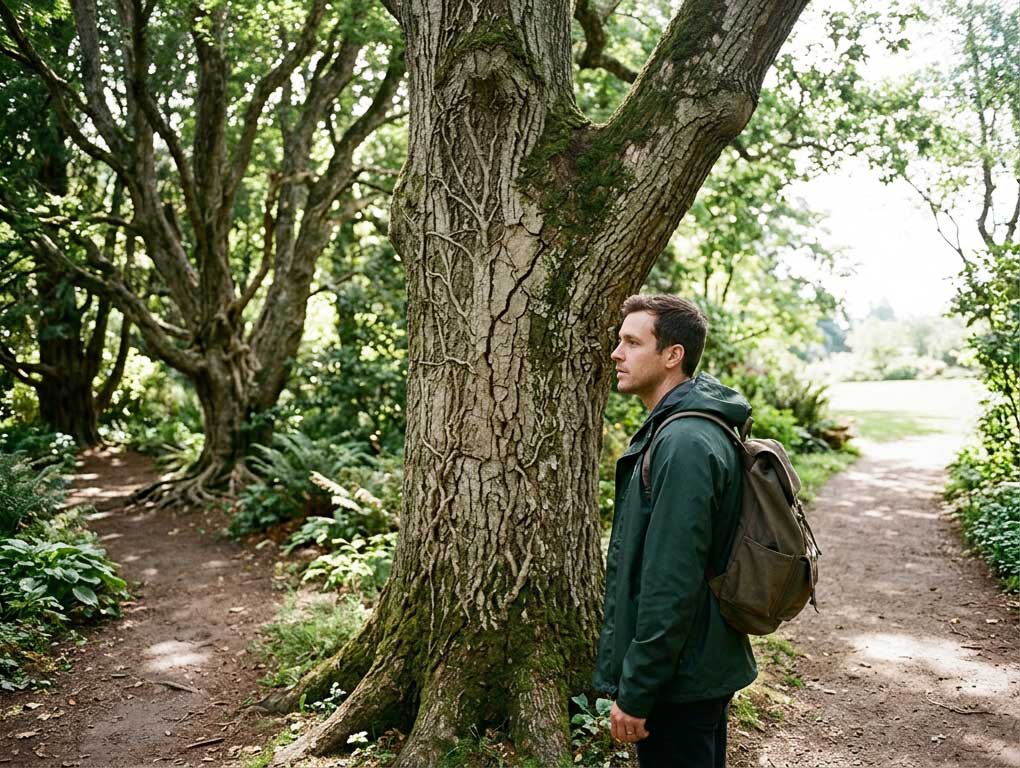
This first process is like laying down a new hiking trail in the brain. It happens when we repeatedly practice a new behavior or thought pattern while intentionally neglecting the old one. Over time, the new pathway becomes stronger and more dominant, and the old one fades from disuse. This is often summed up by the classic neuroscience phrase:
“Neurons that fire together, wire together… and those that don’t, die off.”
Also called
Hebbian plasticity or
pathway remodeling, competitive neuroplasticity is the science behind habit formation, CBT-style interventions, and spiritual disciplines that shape the renewing of the mind (Romans 12:2).
Here’s how it works:
- You begin to respond to a familiar trigger in a new way—pausing to pray instead of reacting in anger, choosing gratitude over grumbling.
- As this new response is repeated, it strengthens into a well-worn neural path.
- Meanwhile, the old pathway—fear, avoidance, addiction—is used less and begins to atrophy. It’s a process called synaptic pruning.
Think of it like replacing a rutted, muddy road with a smooth, newly paved one. It takes effort, but with practice—and God’s grace—your brain rewires for truth, peace, and resilience.
This is the foundation for behavior change. And spiritually, it mirrors what Scripture teaches about laying aside the old self and putting on the new (Ephesians 4:22–24). It doesn’t happen overnight. But through repeated, Spirit-led choices, our brains literally reshape toward the life God designed us to live.
Memory Reconsolidation: Transforming the Story from Within
If competitive neuroplasticity is about replacing a road,
memory reconsolidation is more like updating the map itself. Instead of building something new, this process allows the brain to revisit an existing emotional memory and
rewrite it from the inside out.
Here’s the sequence:
- A painful memory or belief (e.g., “I’m unlovable”) is brought into conscious awareness—into working memory.
- While the memory is “labile” (open to change), new emotional input is introduced—maybe a moment of attunement, truth, or even a sensed experience of God’s love.
- The brain then saves the memory again—but this time, with updated emotional meaning.
The result? The memory no longer triggers the same pain or defensive reaction. It’s been transformed at the root.
Unlike habit-based change, which requires ongoing repetition, memory reconsolidation often brings rapid, permanent change. Because the original neural encoding has been rewritten, the brain no longer needs to maintain a compensatory habit.
This is the neurobiological heart of many trauma-informed therapies, including:
- NICC (Neuroscience Informed Christian Counseling®)
- AEDP (Accelerated Experiential Dynamic Psychotherapy)
- EMDR (Eye Movement Desensitization and Reprocessing)
- Coherence Therapy
- Internal Family Systems (IFS)
And spiritually? It’s the sacred work of redemption. Jesus doesn’t erase our past—He enters it, rewrites it with truth, and reclaims it for glory (Isaiah 61:3). In NICC, this is where the healing gets personal. This is where pain becomes peace.
Putting It All Together: Two Pathways, One Purpose
These two processes aren’t opposites—they’re partners.
- Competitive neuroplasticity builds new habits through consistent, Spirit-led practice.
- Memory reconsolidation heals old wounds by transforming the original memory itself.
Both honor how God designed the brain. Both invite the Spirit to guide the journey. And both can lead us toward greater maturity, freedom, and joy.
Here’s a quick comparison:
| Process |
What It Does |
How It Works |
Used In |
| Competitive Neuroplasticity |
Builds new patterns by reinforcing practice |
New pathways strengthen, old ones fade |
CBT, habit change, discipleship |
| Memory Reconsolidation |
Rewrites old emotional memories at their source |
Activates → mismatches → updates memory |
NICC, EMDR, AEDP, IFS, Coherence Therapy |
Healing That Mirrors the Gospel
Neuroplasticity and memory reconsolidation don’t just explain how change happens—they reflect
why it’s possible. Because Jesus is both the Designer of our nervous system and the Redeemer of our story. Whether you’re laying new pathways through faithful practice or rewriting old ones through healing encounters, you’re participating in a process that echoes Romans 12:2:
“Be transformed by the renewing of your mind.”
Friend, healing is real. Growth is possible. And your brain was built for both.
Let’s keep walking that road—together.
Help for the journey!
If this conversation stirred something in you—maybe a realization that some old patterns still have too much power, or a hope that healing is actually possible—you don’t have to figure it all out on your own. Whether you’re trying to build new habits or heal deep emotional wounds, a trained
Christian counselor can help you navigate the process with wisdom, compassion, and a faith-centered approach. At
MyCounselor.Online, you’ll find someone who understands both the science of change and the heart of God. If you’re ready to take a next step, we’re here to walk with you.